
Province
Balearic Islands
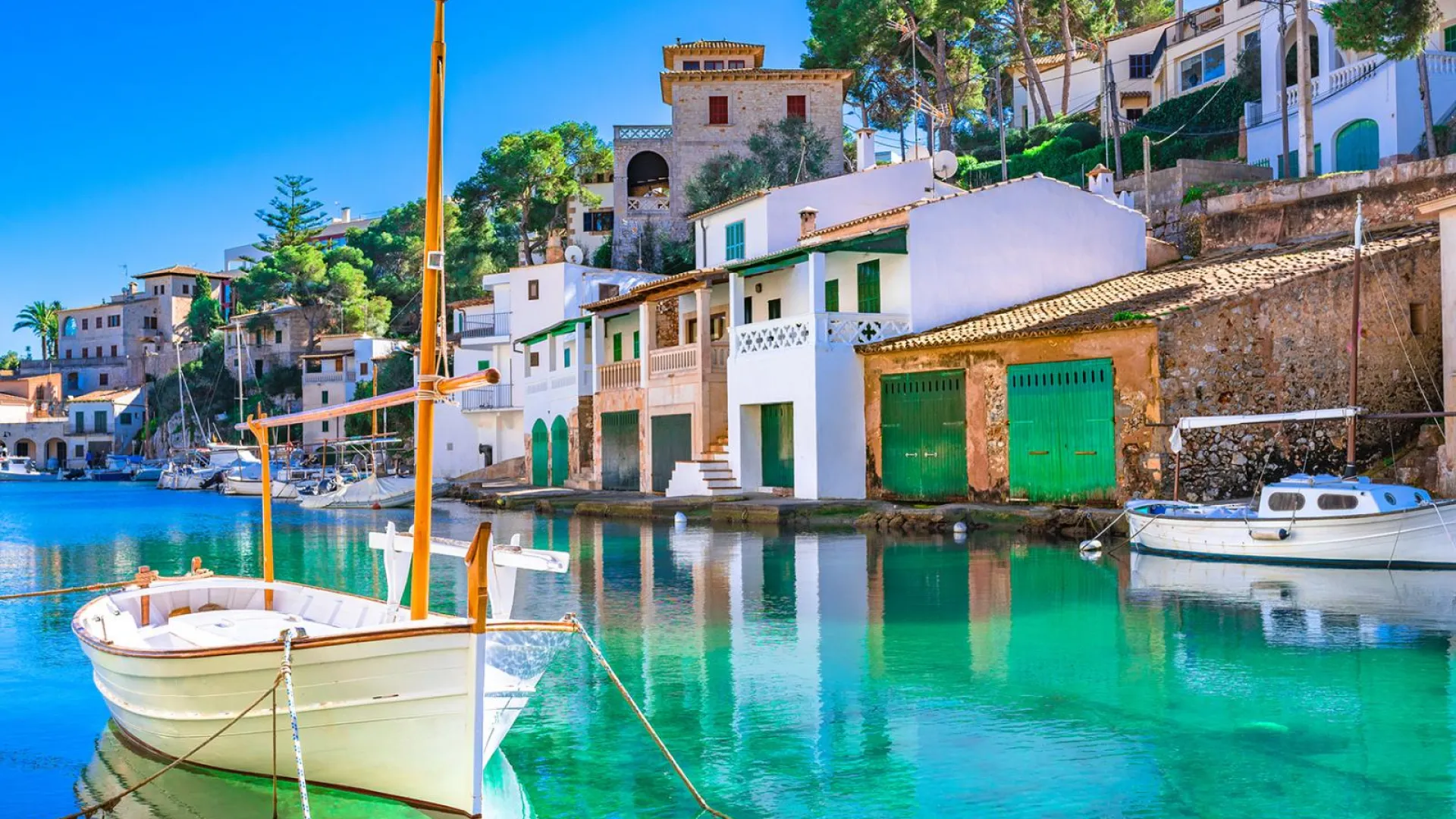
The Balearic Islands form a Mediterranean archipelago of Spain, including Mallorca, Menorca, Ibiza, and Formentera. Its capital is Palma on Mallorca and in 2024 the population was approximately 1.23 million.
Geography & Climate
- Mallorca is the main island (~3,640 km²), featuring the UNESCO-listed Tramuntana Mountains with Puig Major (1,436 m) as its highest point.
- The climate is Mediterranean—with hot, dry summers and mild winters. Rainfall is generally under 400 mm annually except in mountain zones.
Island Highlights
- Mallorca blends cultural life in Palma with mountain areas and beaches.
- Menorca is quieter and greener, designated as a Biosphere Reserve.
- Ibiza is internationally known for nightlife and festivals.
- Formentera offers pristine beaches and a serene pace.
Local Culture & Cuisine
- Both Catalan (Balearic dialect) and Spanish are co-official and commonly spoken.
- Signature foods include sobrassada, ensaïmada, pa amb oli, tombet and flao. Local wines and almonds are key specialties.
Activities & Nature
- Excellent hiking in the Tramuntana, Caldera de Taburiente and coastal trails.
- Water-based activities like diving, sailing, kayaking and snorkeling are easily accessible.
When to Visit & Travel Info
- Ideal travel periods: spring (April–June) and early autumn (September–October) offer warm weather and fewer crowds.
- Inter-island ferry and flight services connect all islands; renting a car is recommended for exploring inland areas.
- Time zone is GMT/WET—one hour behind mainland Spain.
Final Thoughts
Balearic Islands provide a rich fusion of historic villages, picturesque landscapes, beach life and culinary traditions—perfect for relaxation, exploration or cultural immersion.