
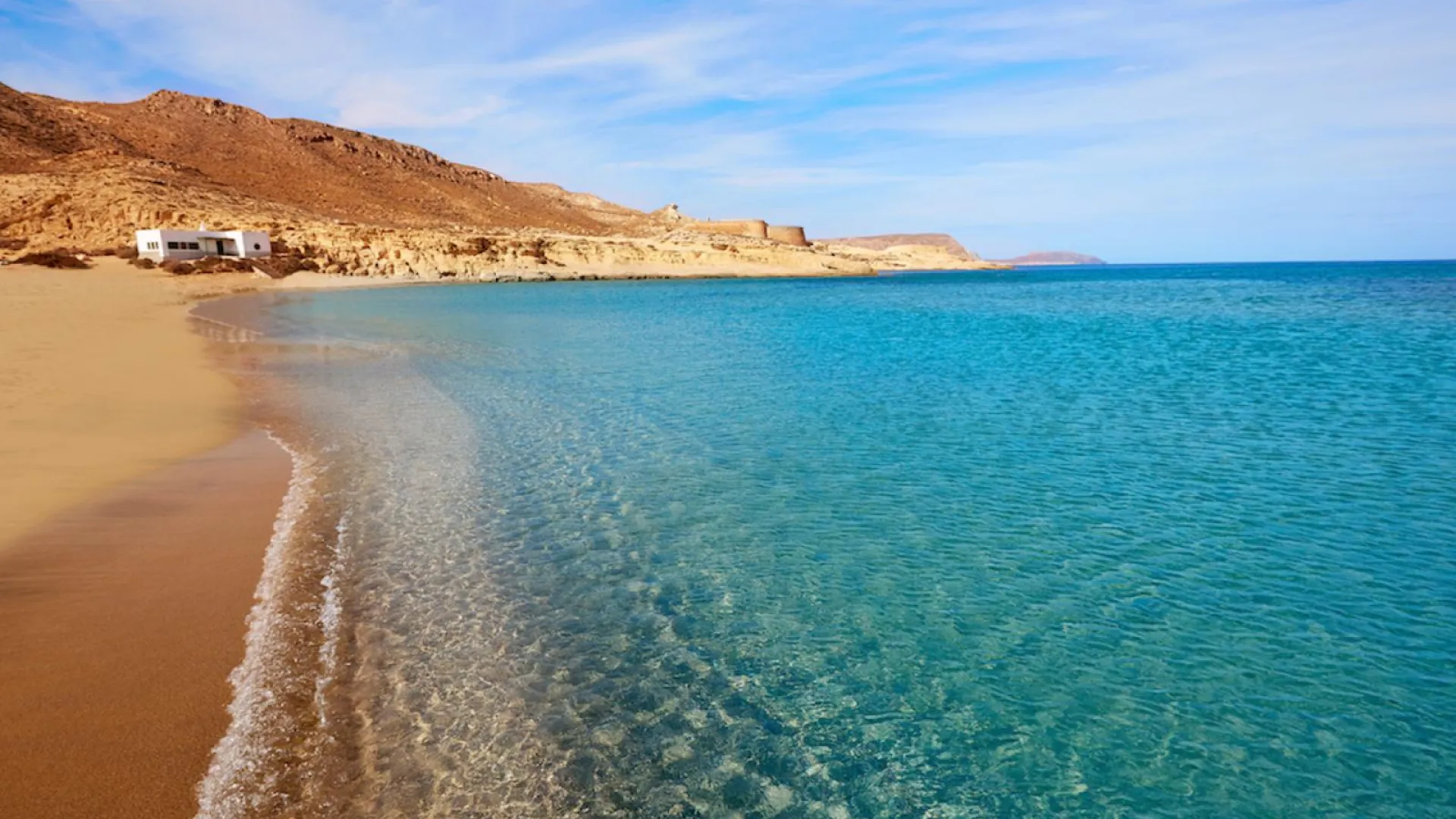
Costa de Almería
Costa de Almería is a stunning and diverse coastal region in southeastern Andalusia, known for its golden beaches, desert landscapes, authentic villages, and the unspoiled Cabo de Gata-Níjar Natural Park. With over 200 km of coastline and more than 300 sunny days a year, it's an ideal destination for nature lovers, sunseekers, and those looking to escape the more crowded parts of Spain.
Overview & History
- Inhabited since ancient times – Phoenicians, Romans, and Moors all left their mark.
- The main city, Almería, was founded by the Moors in the 10th century as a key Mediterranean port.
- The surrounding area is famous for its arid landscapes used in film sets (especially spaghetti westerns).
- Cabo de Gata is Spain’s largest protected coastal natural park and a UNESCO biosphere reserve.
Main Attractions
Cabo de Gata-Níjar Natural Park
Volcanic cliffs, lagoons, and hidden coves
Great for hiking, snorkeling, and birdwatching
Picturesque villages: San José, Las Negras, Agua Amarga
Alcazaba of Almería
One of Spain’s largest Moorish fortresses
Panoramic views over the city and harbor
Free entrance for EU citizens
Beaches
Playa de los Muertos: remote and beautiful
Playa de Mónsul: iconic, film-famous beach in Cabo de Gata
Roquetas de Mar: family-friendly with a long promenade
Tabernas Desert
Europe’s only true desert
Western film sets like “Oasys MiniHollywood” and “Fort Bravo”
Horse shows, tours, and cowboy reenactments
Food & Drink
Local Specialties
- Cherigan (toasted bread with aioli and toppings)
- Gurullos with rabbit (traditional stew)
- Pulpo seco (sun-dried octopus)
- Fresh Mediterranean seafood
Recommended Dining Areas
- Almería city: Tapas bars (free tapas with drinks!)
- San José & Las Negras: seafood with sea views
- Roquetas de Mar: modern Spanish cuisine
Markets & Shopping
- Almería Central Market – local produce, fish, cheeses
- Saturday market in Níjar – ceramics, rugs, souvenirs
- Medieval markets (summer/autumn) – food, crafts, performances
Events & Festivals
- Almería Feria (August): bullfighting, music, parades
- San Juan Night (June 23): beach bonfires and festivities
- Flamenco & Dance Festival (July): held in Almería and Mojácar
- Semana Santa (Holy Week): grand religious processions
Day Trips from Costa de Almería
Mojácar (1h) – Whitewashed village with bohemian charm
Níjar (45 min) – Famous for handicrafts and traditional textiles
Sorbas & Karst Caves (50 min) – Guided tours of limestone caverns
Laujar de Andarax (1h 15 min) – Wine-producing village in the Alpujarras foothills
Getting There & Around
By Car:
- Easy access via A-7 motorway (from Málaga, Murcia or Granada)
- Ideal for road trips due to spread-out attractions
Public Transport:
- Trains to Almería from Madrid and Granada
- Regional buses connect towns, but with limited schedules
- Almería Airport (LEI): 10 min from city, flights to Madrid, Barcelona, London
Local:
- Car highly recommended for exploring beaches and villages
- Bike rentals and hiking are popular in Cabo de Gata
Travel Tips
- Best Time to Visit: April–June & September–October – warm, pleasant weather
- Summer: Can be extremely hot (35°C+ in July–August)
- Language: Spanish dominant; limited English in rural areas
- Customs: Tapas often included with drinks; lunch/dinner is late
- Safety: Very safe for families, solo travelers, and outdoor lovers
Final Thoughts
Costa de Almería offers a uniquely wild and authentic version of Andalusia – where deserts meet the sea, white villages cling to cliffs, and every cove feels like a discovery. It’s perfect for anyone looking for slow travel, nature, and culture far from the crowds.